


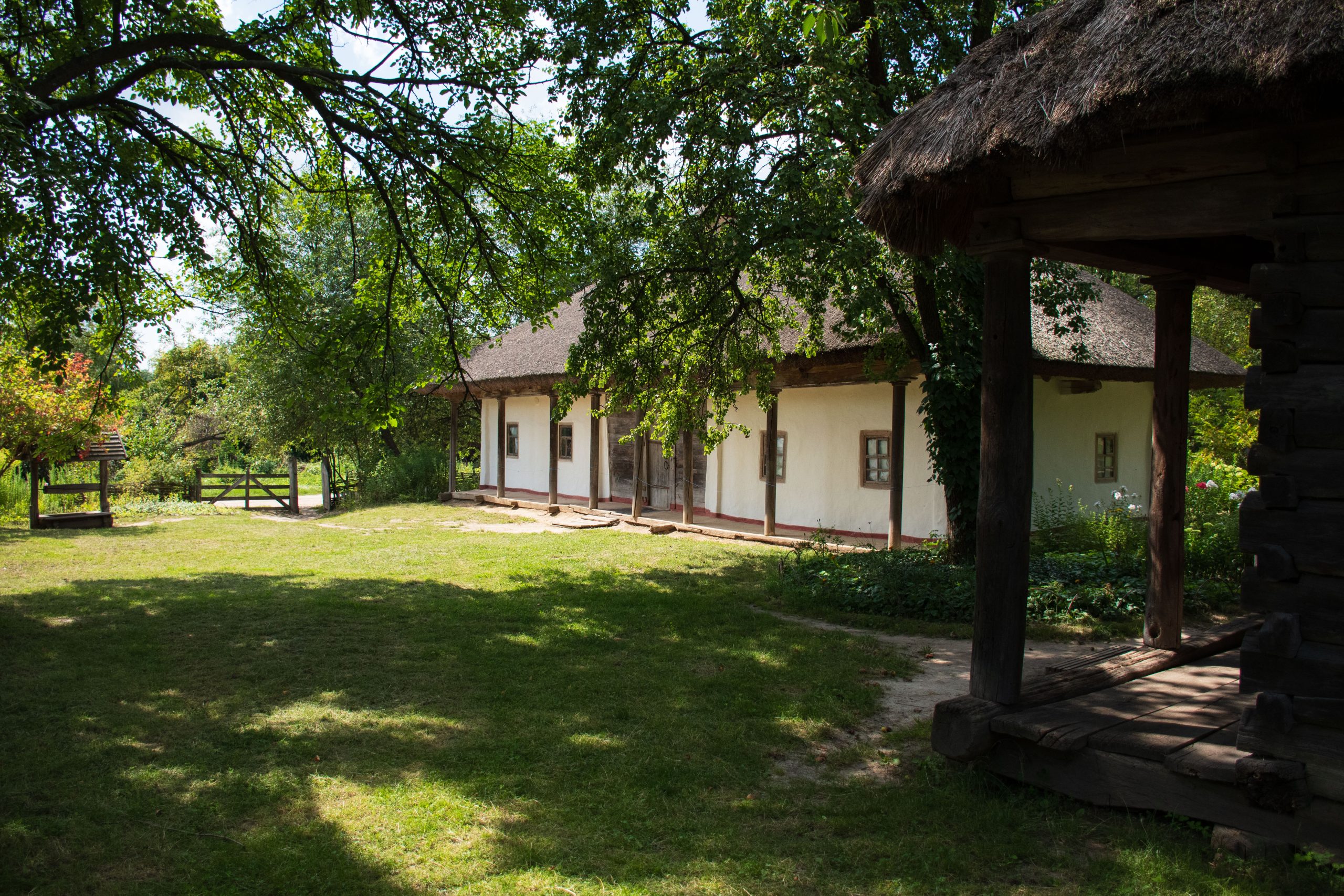
At a time when Ukrainian cultural heritage is under threat of destruction, new initiatives emerge that can preserve it for future generations — not only on the pages of textbooks, but literally in three-dimensional space.
The “Authentic Ukraine – VR” project combines virtual reality technology with cultural anthropology and museum practice, allowing visitors to see and feel history not as a museum exhibit, but as a living environment.
An Idea Born from Experience and the Pain of Our Time
The project team has been working with VR technologies for almost ten years. During this time, they have created a wide range of immersive content — from virtual tours to large-scale VR events. But the full-scale war gave this experience a completely new meaning.
“VR is a tool that allows people to relive moments that may be inaccessible in the real world. We can capture places that might be destroyed tomorrow. We cannot guarantee the physical preservation of heritage sites — but we can preserve them in the digital realm,” the team explains.
This idea became the starting point for a large-scale initiative to digitally document Ukrainian cultural heritage.
Partnerships that Build Trust
The main partner of the project is the National Museum of Folk Architecture and Life of Ukraine in Pyrohiv — and this is not a coincidence.
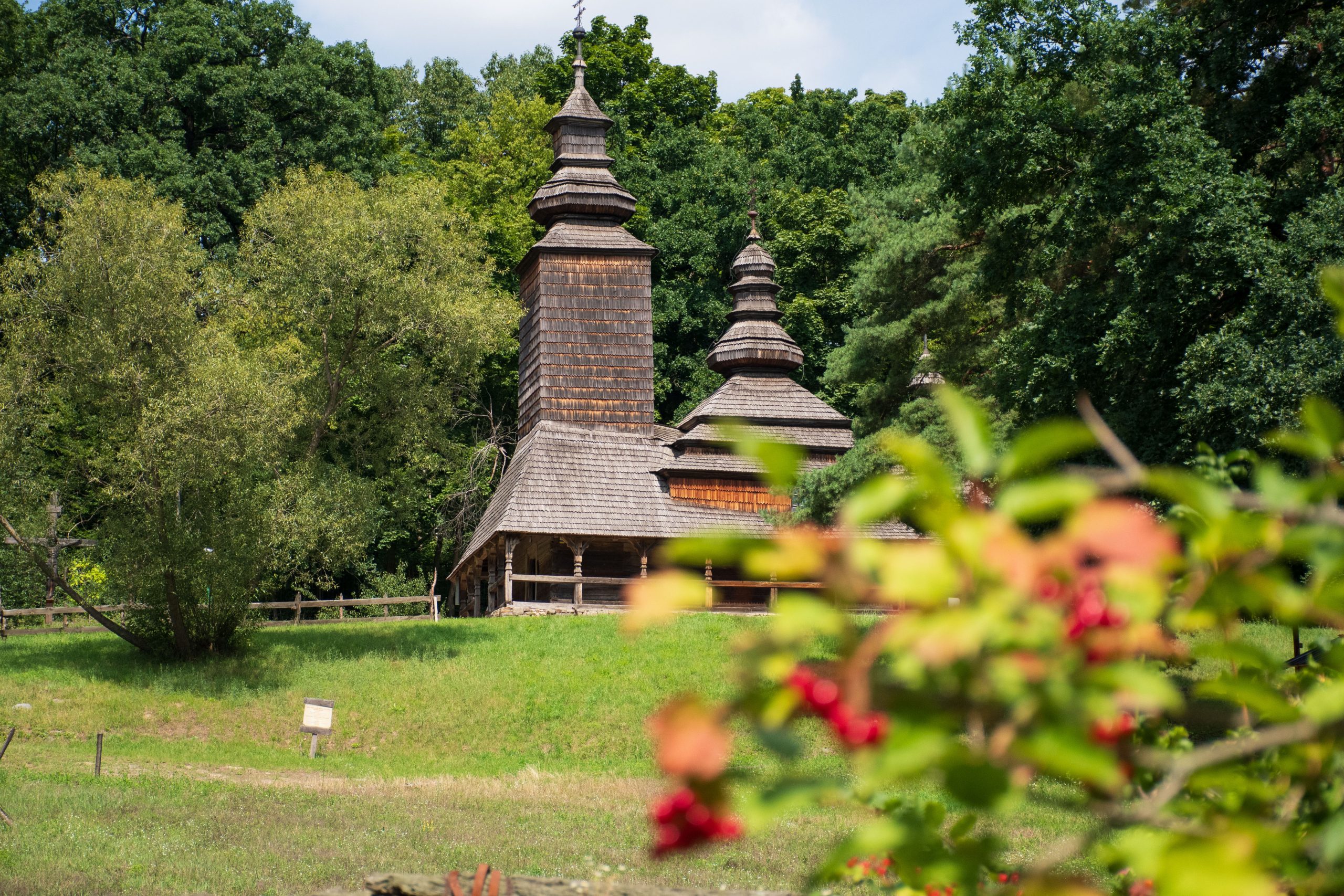
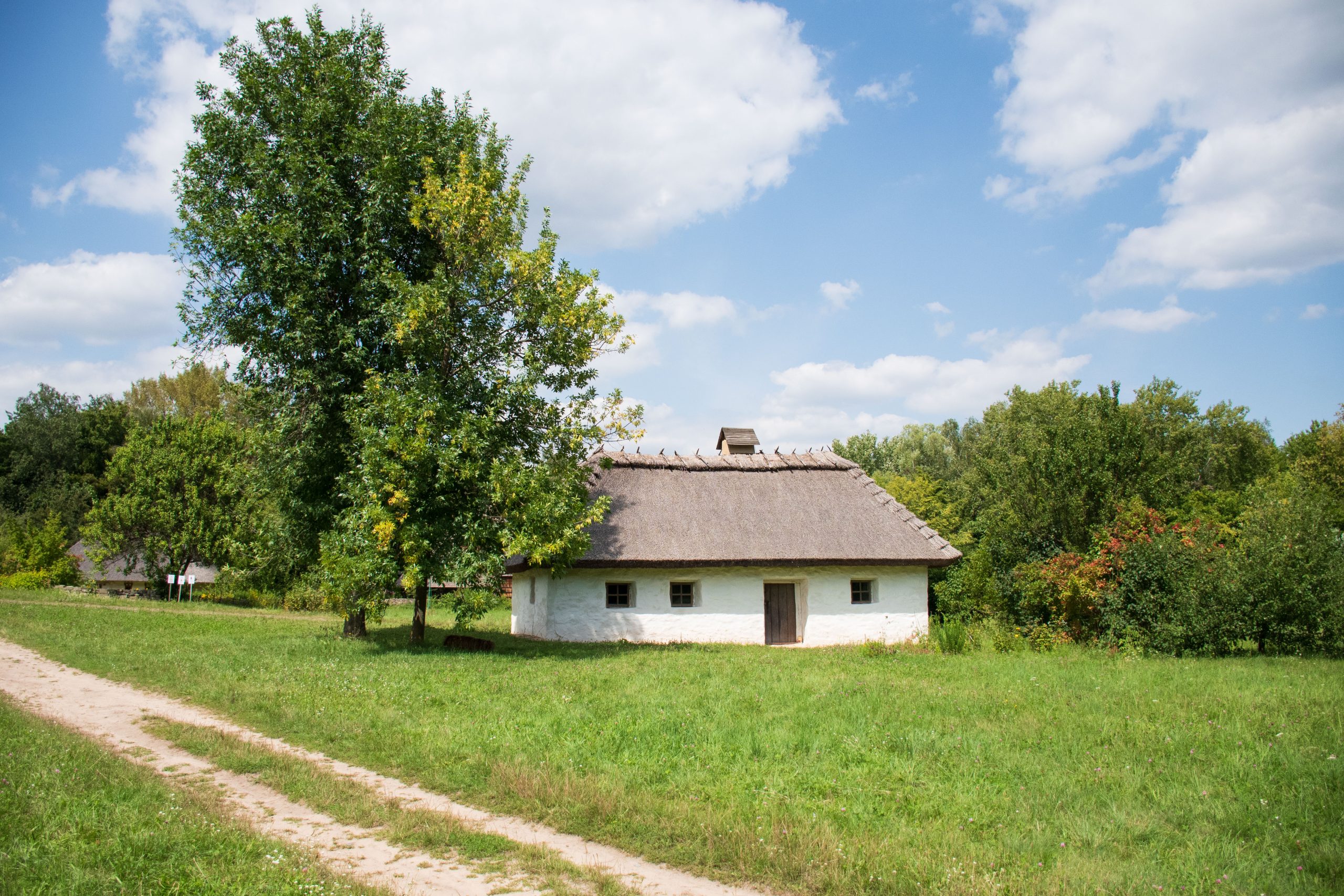
The museum preserves unique architectural complexes from various regions of Ukraine — authentic houses, churches, windmills, and traditional farm buildings, many of which exist as single surviving examples.

The project also cooperates with:
- National Sanctuary Complex “Sophia of Kyiv”
- Kyiv History Museum
- Menorah Center in Dnipro
- Holocaust Museum in Odesa
“We are open to state, private, and community partnerships — as long as they help preserve culture,” the team emphasizes.
Six Regions — Six Worlds
With the support of the Ukrainian Cultural Foundation, the project has filmed VR tours representing key regions:
- Central Dnipro region
- Poltava & Slobozhanshchyna
- Polissia
- Podillia & the windmill area
- Southern Ukraine
- Carpathians
Together with scholars, the team selected heritage sites that best convey the identity and character of each region — from traditional houses and wooden churches to farm structures and mills.
How VR Spaces Are Filmed
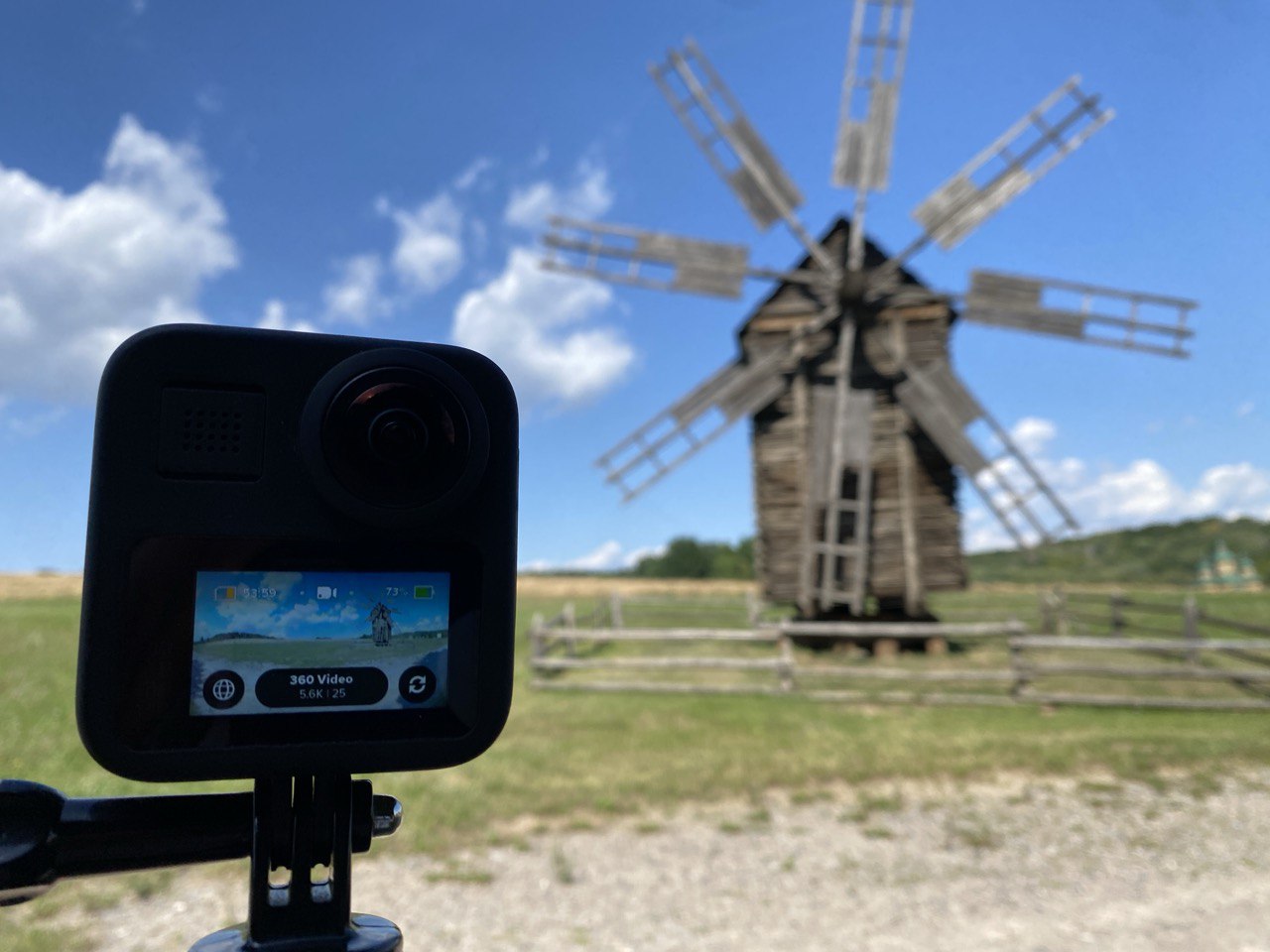
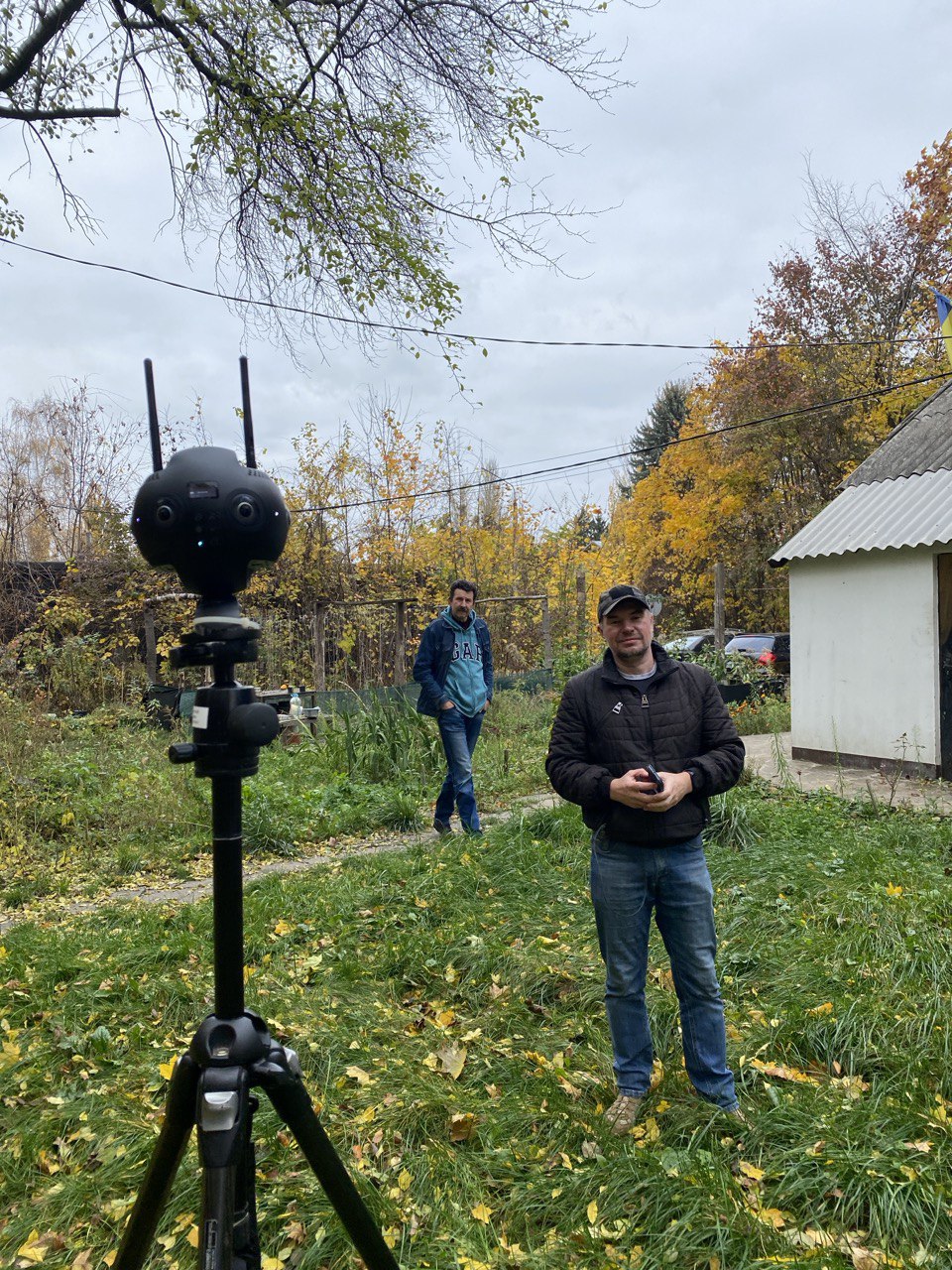
Shooting in 360° demands a completely different approach to filmmaking. The camera “sees” everything around it — which means the crew must literally hide from the frame.
Equipment used:
- Insta360 Pro 2
- Insta360 X5
- GoPro Max
- Professional audio equipment
Preparing a single location takes from 20 minutes to an hour, while post-production requires far more: stitching panoramas, sound design, color correction.
“We don’t just capture space. We try to convey the atmosphere — the sound of wind, birdsong, subtle music, soft transitions of light. So that the viewer not only sees Ukraine — they feel it.”
Authenticity as a Principle
The project is carried out in close cooperation with ethnographers, curators, and museum researchers.
“No one can tell the story of a house better than the person who has cared for it for years. Their knowledge and love become an invisible part of the VR environment.”
The Future: Education, Tourism, and Global Presence
The project has strong potential for further expansion:
- for schools — interactive lessons on history and culture,
- for tourists — an opportunity to plan routes in advance,
- for museums — new exhibition formats,
- for international audiences — cultural diplomacy through immersive experience.
“We cannot show yesterday — it no longer exists.
We cannot show tomorrow — it has not yet come.
But today is the best moment to show the world the real Ukraine.”