


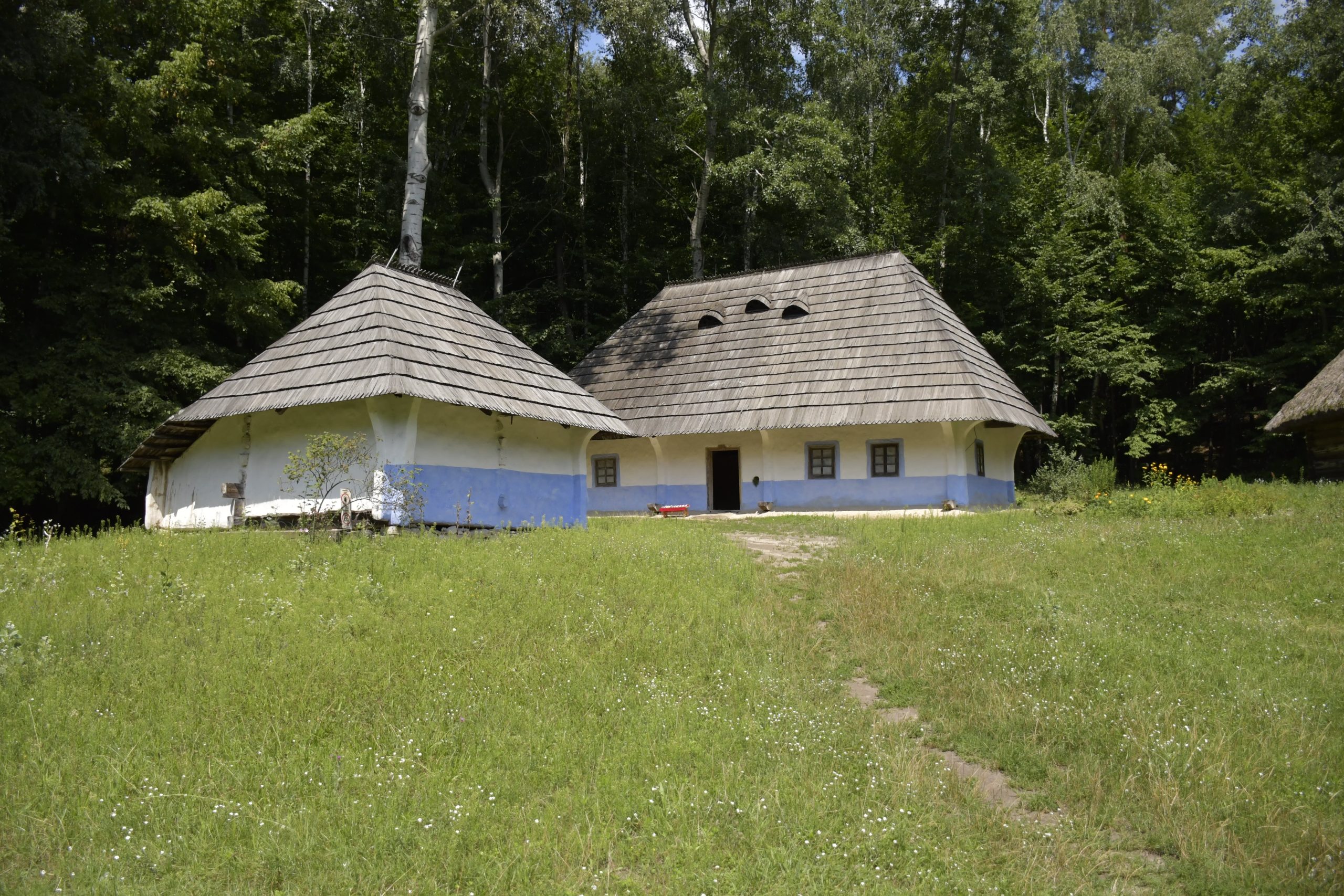
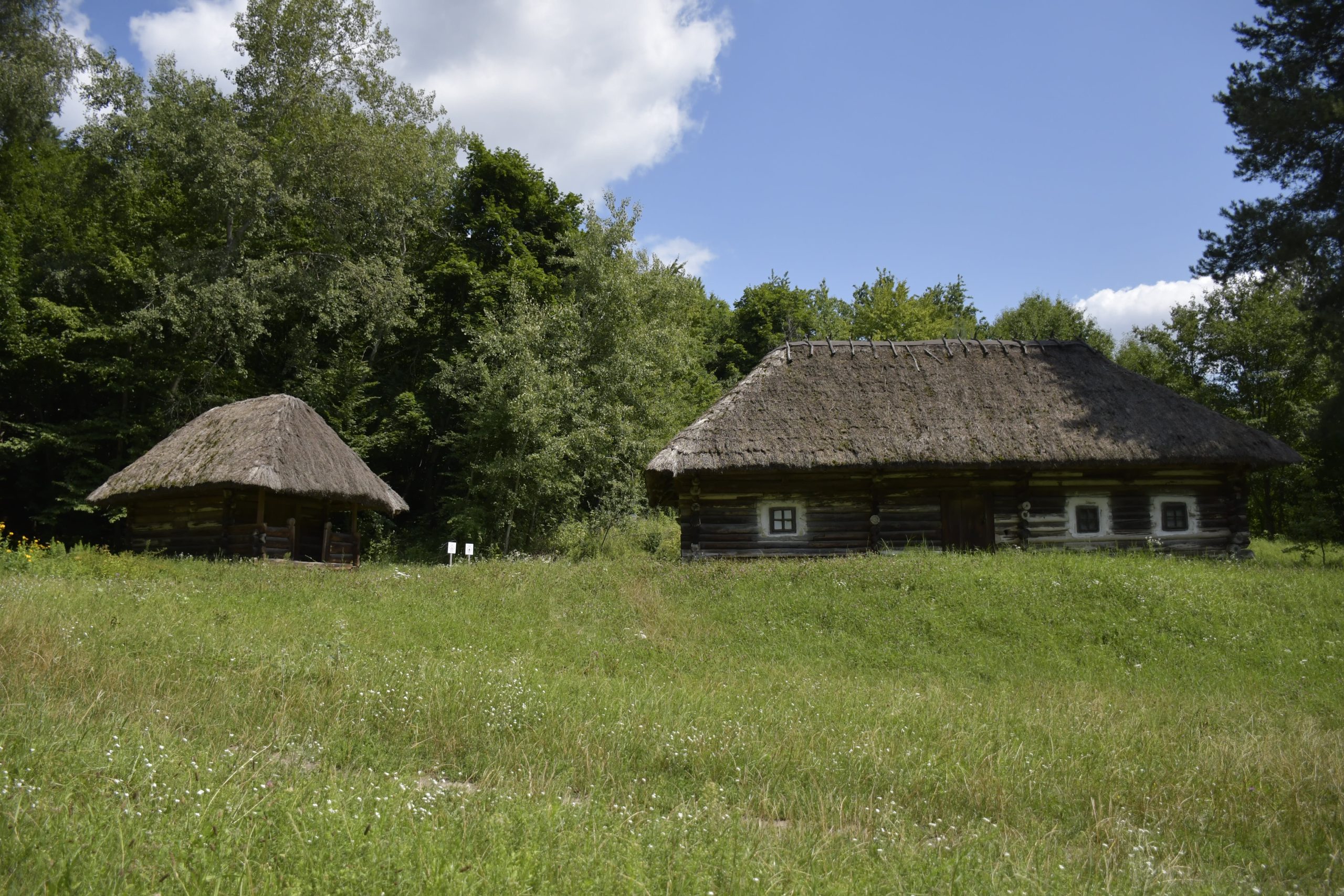
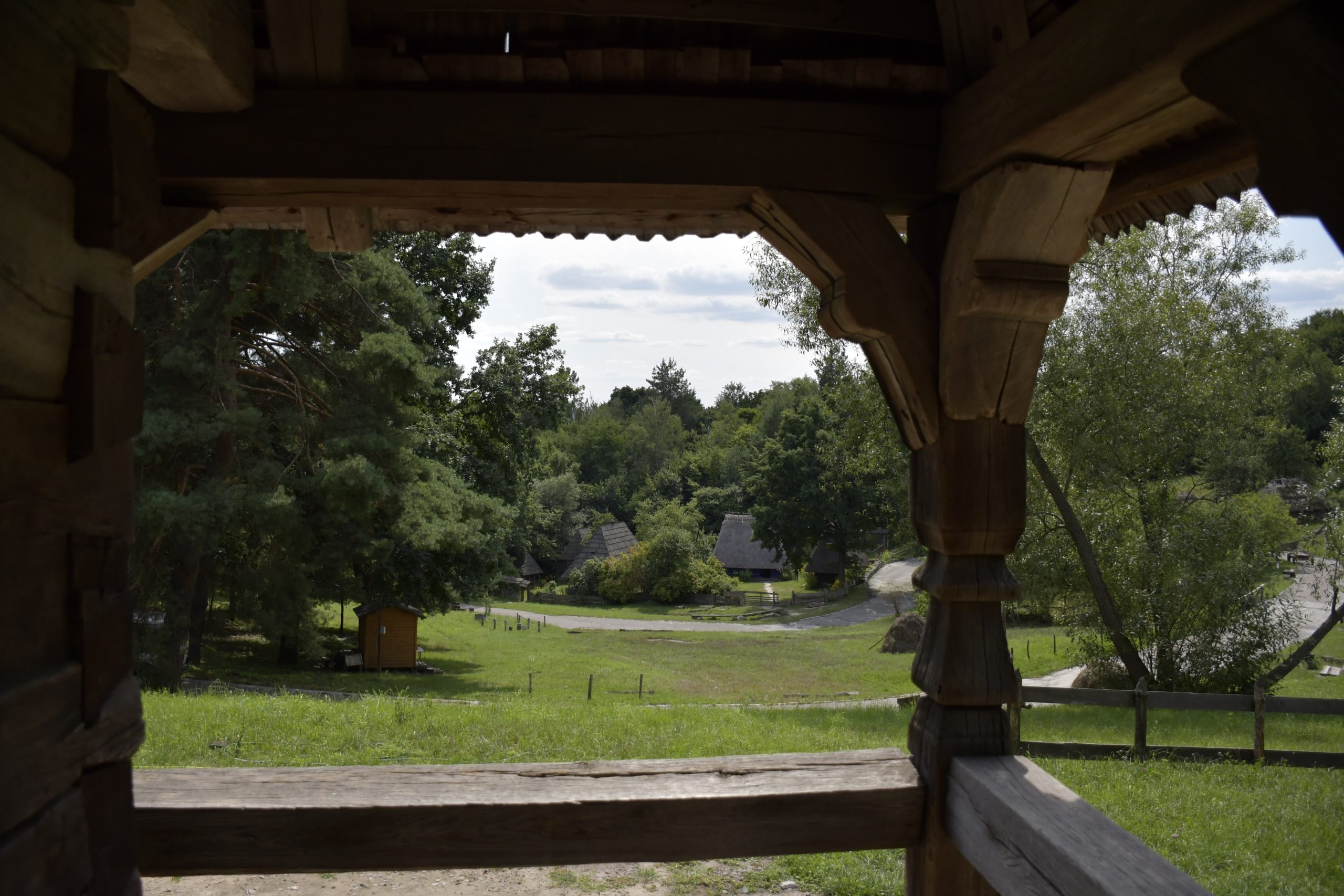
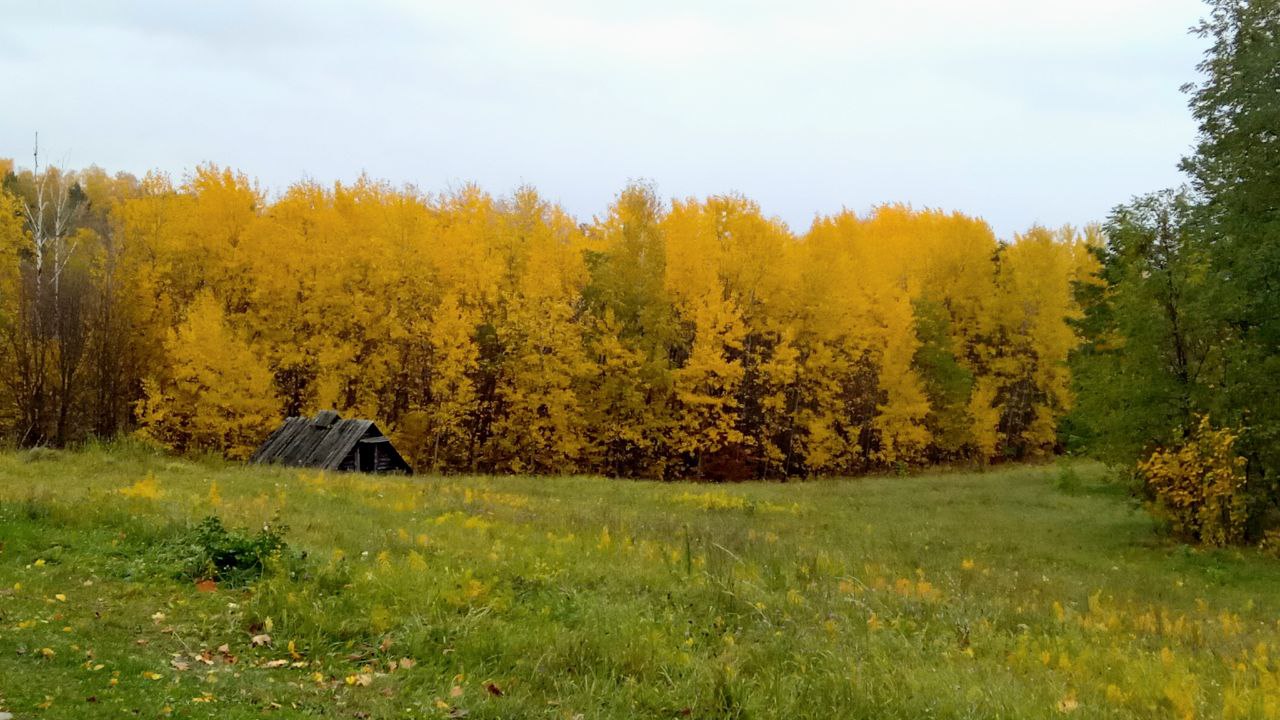
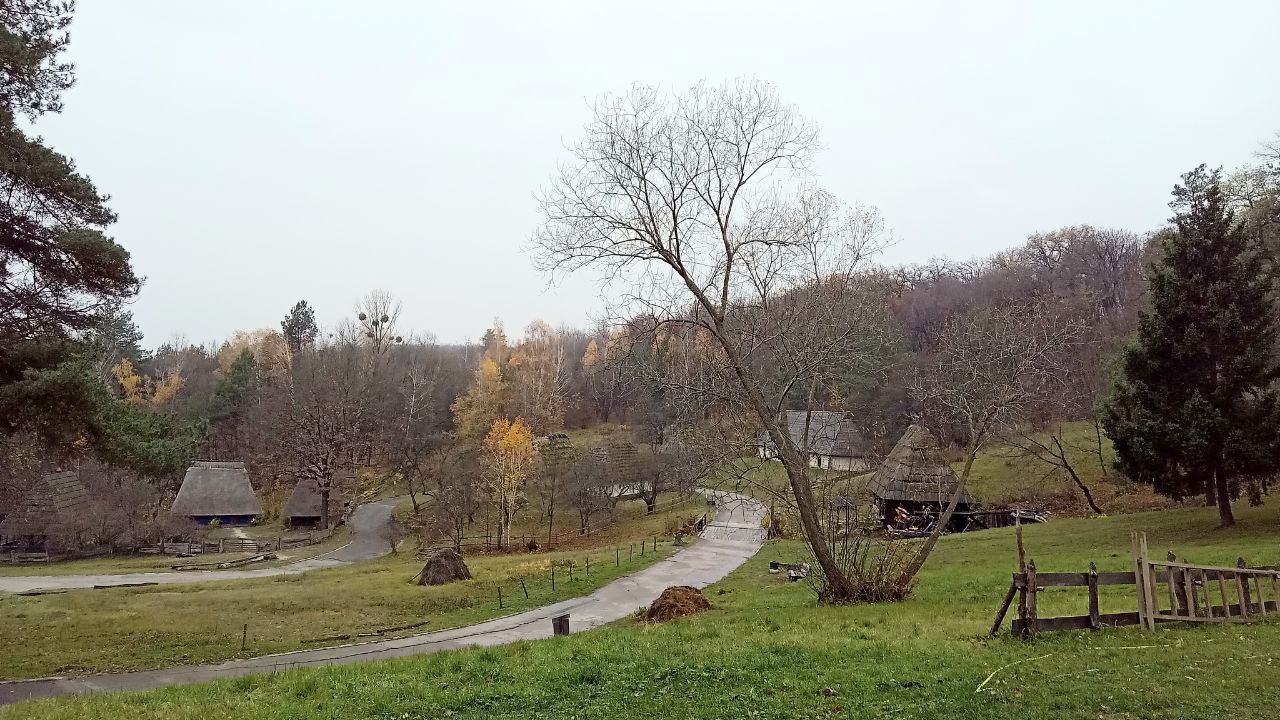
The Carpathians exhibition is a space of living culture, where every wooden house and every carved chest preserves the spirit of the mountains and the people who lived in harmony with them. It presents the everyday life of the Hutsuls, Boykos, and Lemkos — inhabitants of Zakarpattia, Bukovyna, and Ivano-Frankivsk regions. Thirteen homestead complexes — houses, stables, barns, forges, and a church, all built without a single nail — create a holistic image of a traditional Carpathian village. Each dwelling contains objects that seem to breathe with the warmth of human hands: carved and painted chests, woven runners, clay pottery, and handmade items crafted by artisans who turned daily labor into art. Standing among these mountain homesteads, one hears not only the rustling of trees and the breath of the wind, but also the quiet echo of the mountains — as if the land itself were whispering the stories of those who once lived here.
Locations
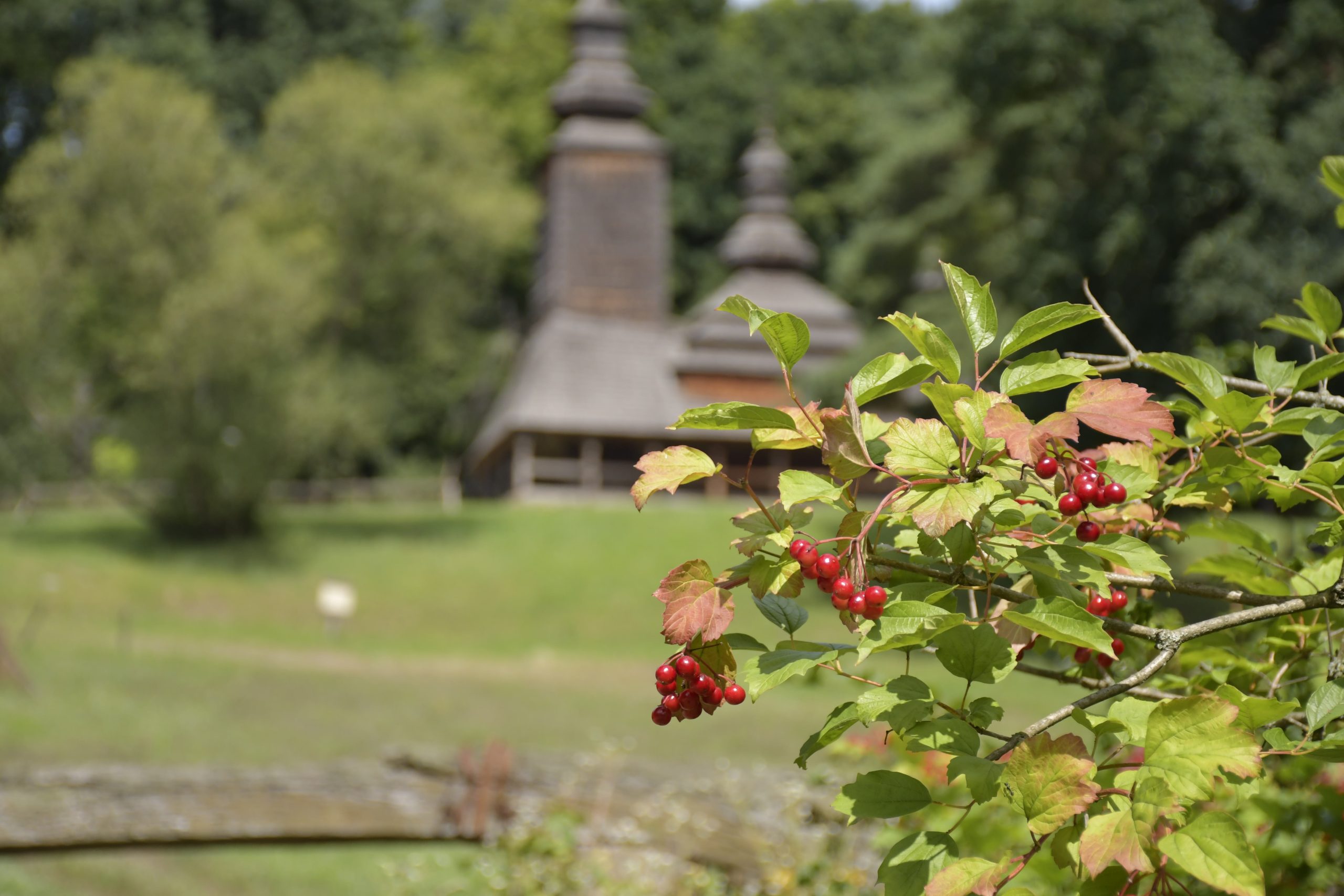
Wooden Church
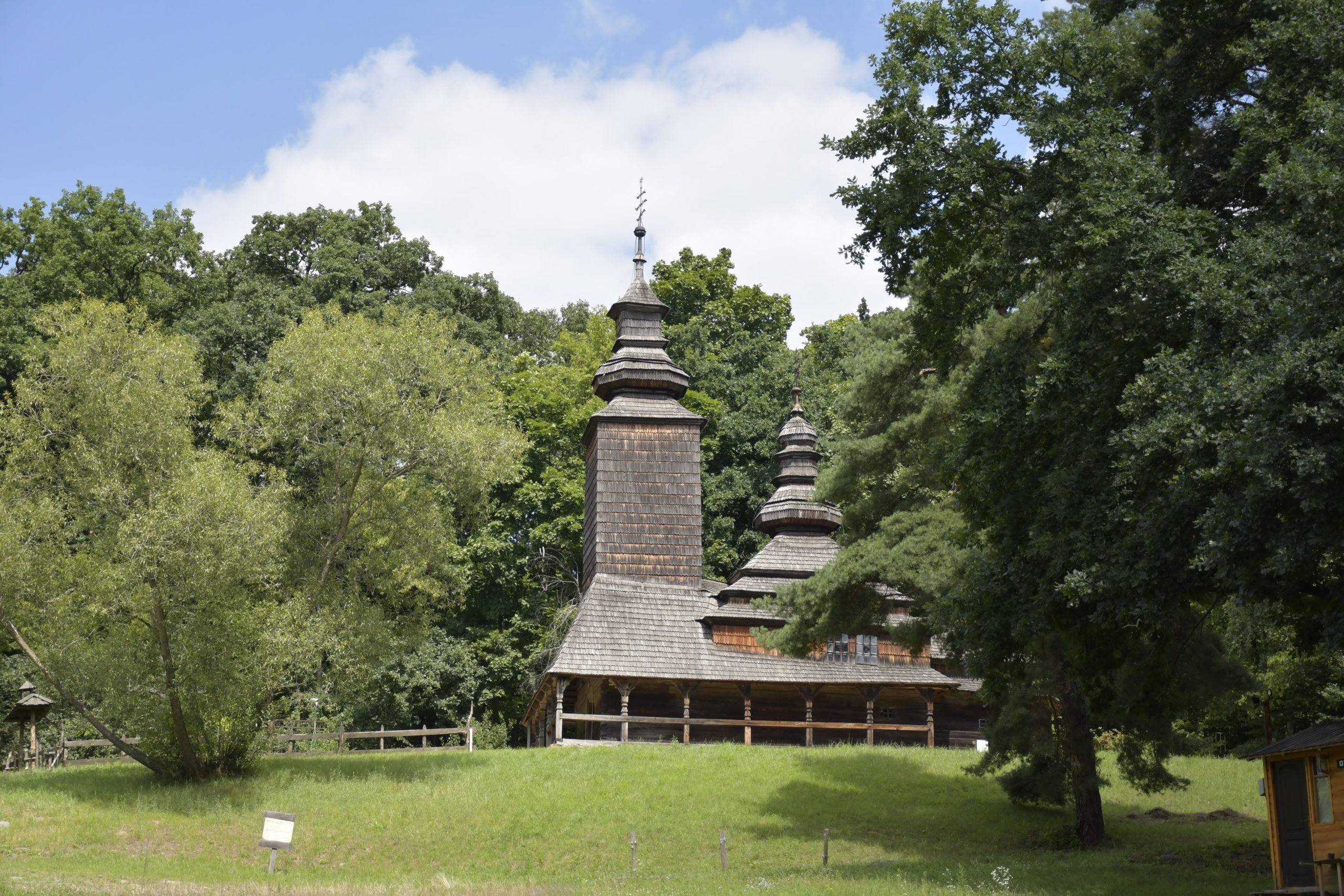
A fine example of sacred architecture of the Carpathian region, built in the traditions of folk wooden construction. The church features a restrained, vertically oriented silhouette, a multi-tiered composition, and a shingled roof. Inside, an iconostasis and minimalist decoration emphasize the spiritual atmosphere of the space. The structure illustrates the important role of the church as the spiritual and social center of the community.
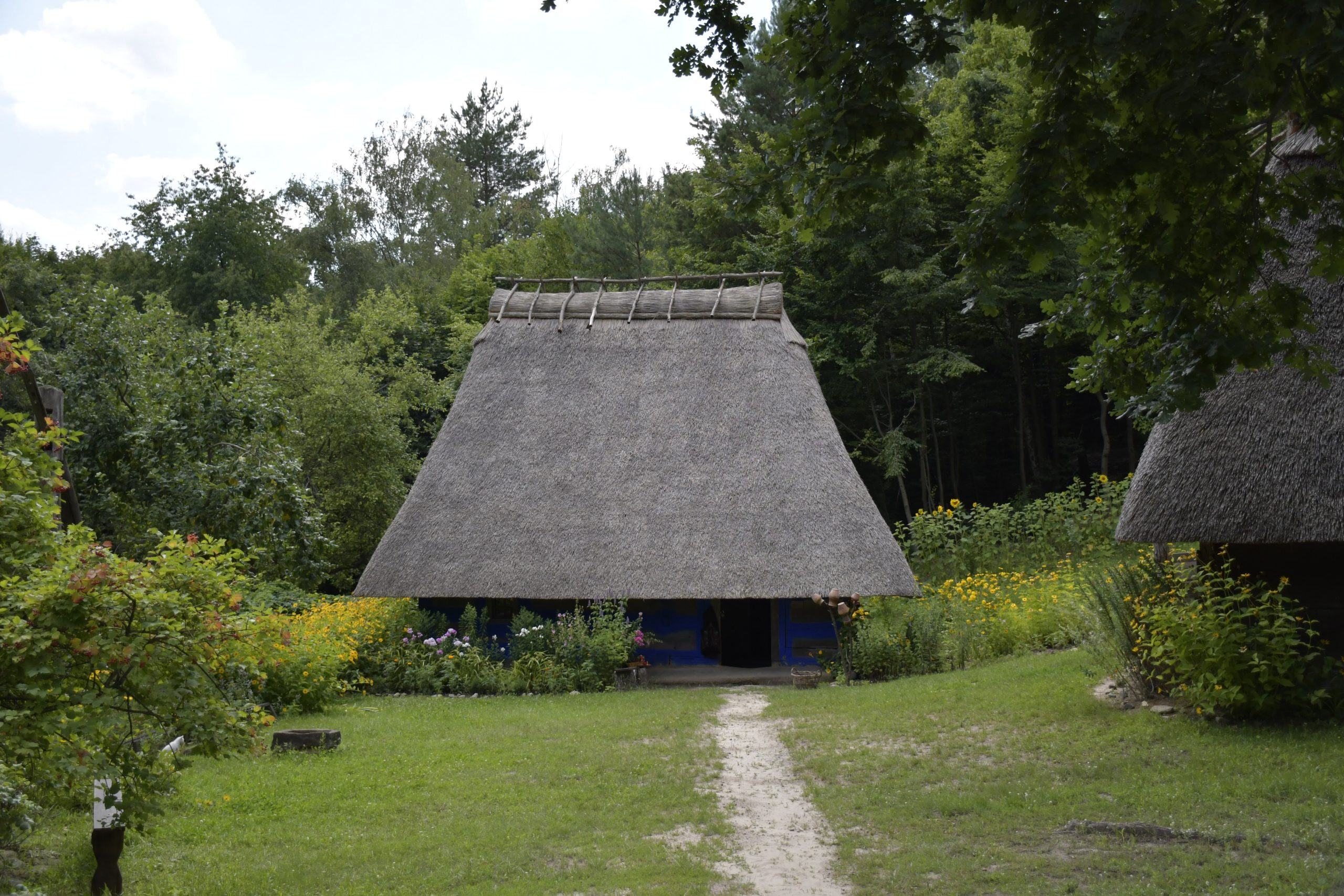
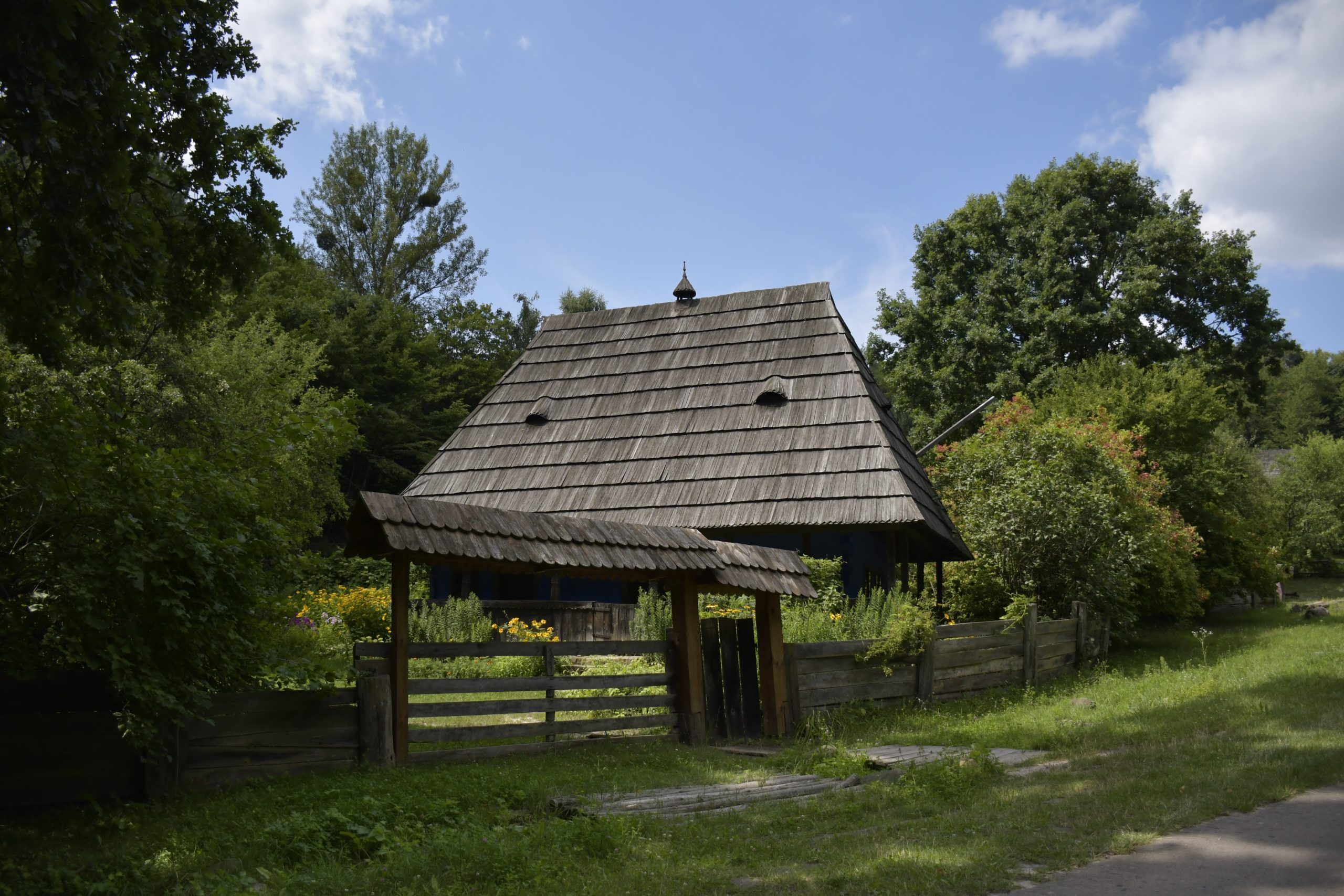
House from the Village of Tereblia
A traditional residential house of Zakarpattia, typical of the Carpathian region. Built of wood, it has a high roof adapted to the mountain climate. The interior reflects the everyday life of a peasant family: a stove as the heart of the home, wooden benches and tables, chests, weaving tools, and household textiles. The house demonstrates the combination of practicality and local aesthetics characteristic of Carpathian culture.