


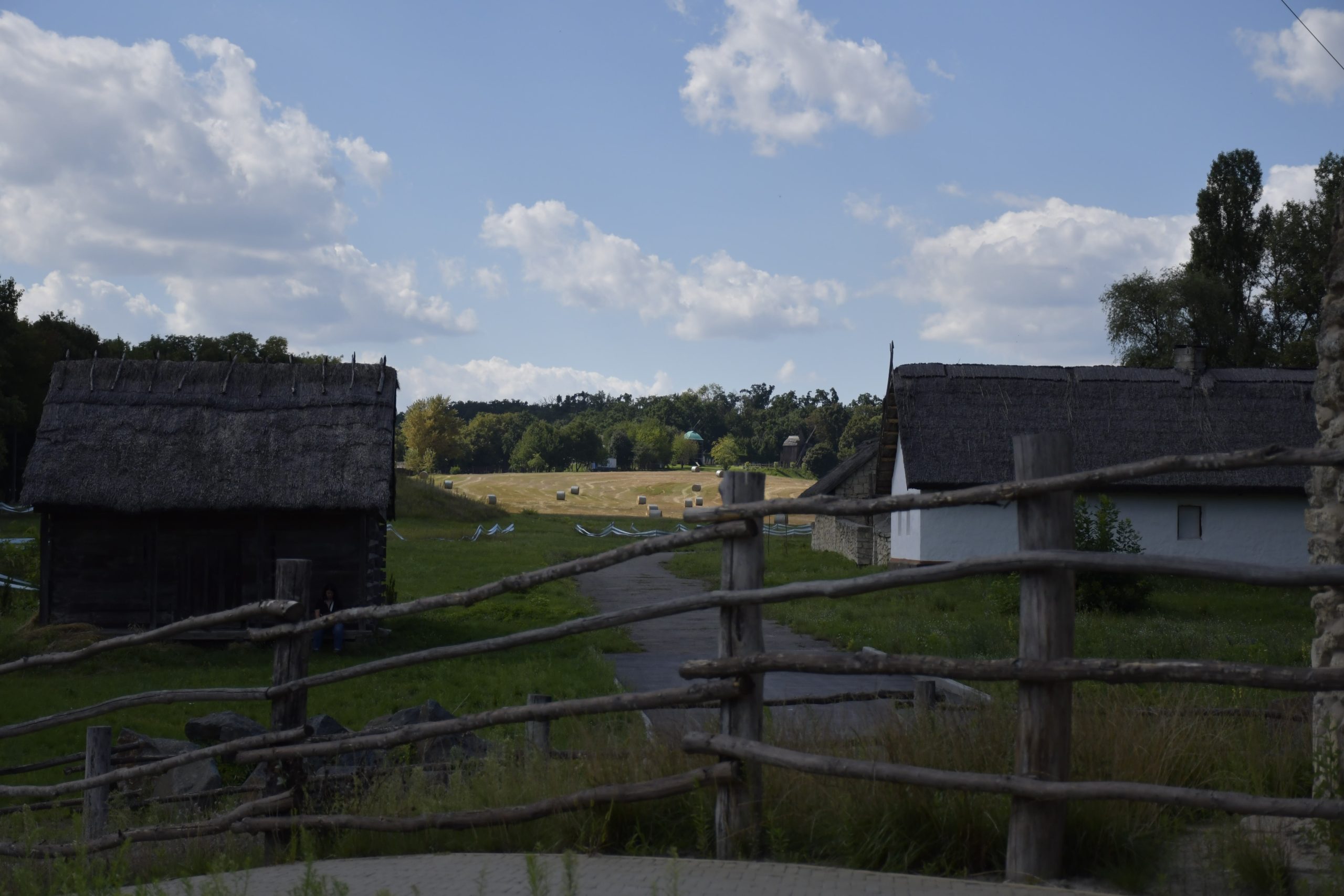
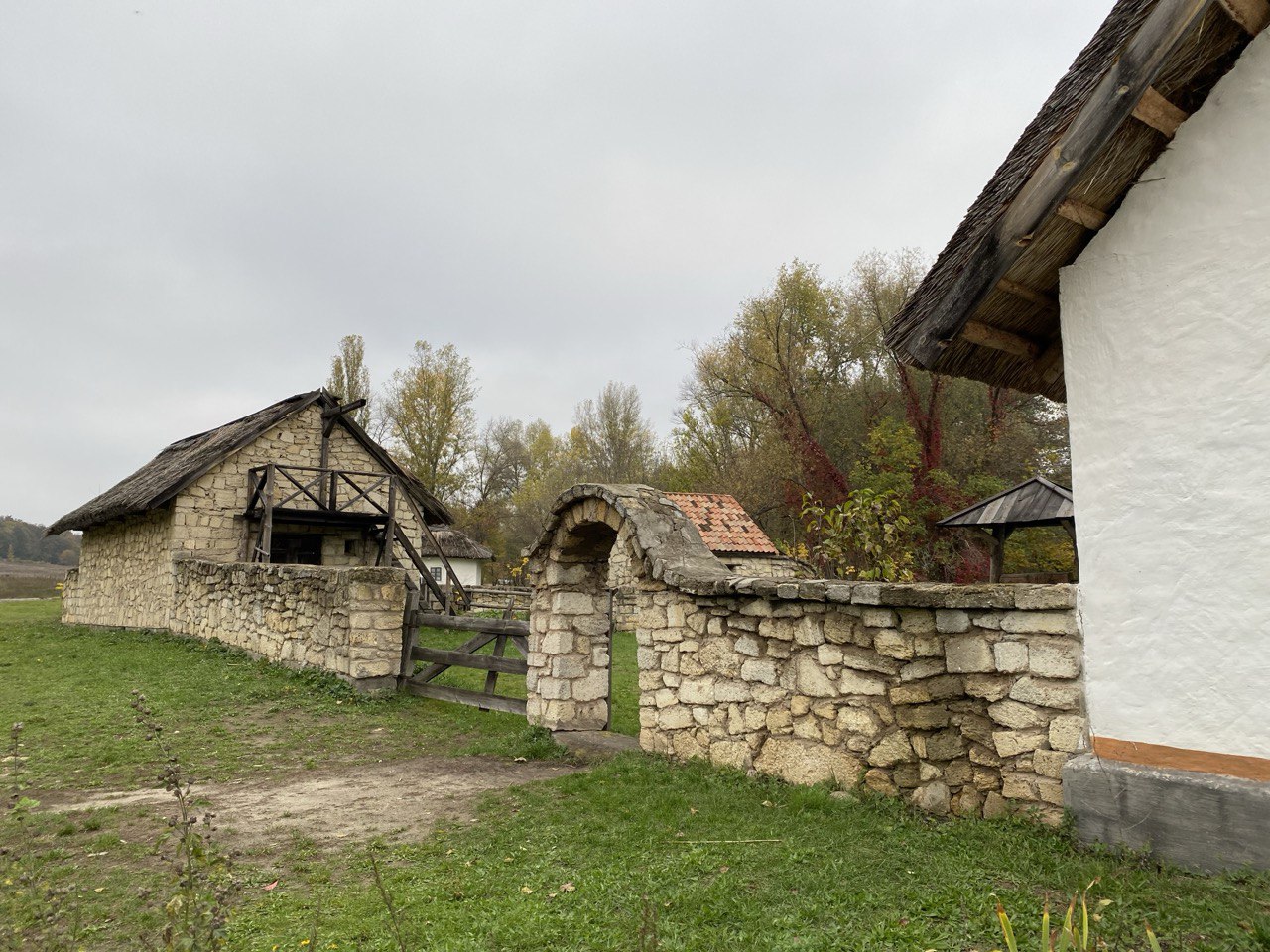
Southern Ukraine is a historical and ethnographic region that includes the territories of present-day Odesa, Mykolaiv, Kherson, Zaporizhzhia, and Dnipropetrovsk oblasts, parts of Kirovohrad Oblast, and Crimea. The folk residential architecture of the South is distinguished by the use of natural stone and clay — materials readily available in the steppe landscape. Houses are simple in form, yet solid and harmoniously integrated into their surroundings. The museum presents examples of such buildings from the mid-19th to the early 20th century from different regions, reflecting the everyday life, economic practices, and cultural traditions of southern Ukraine.
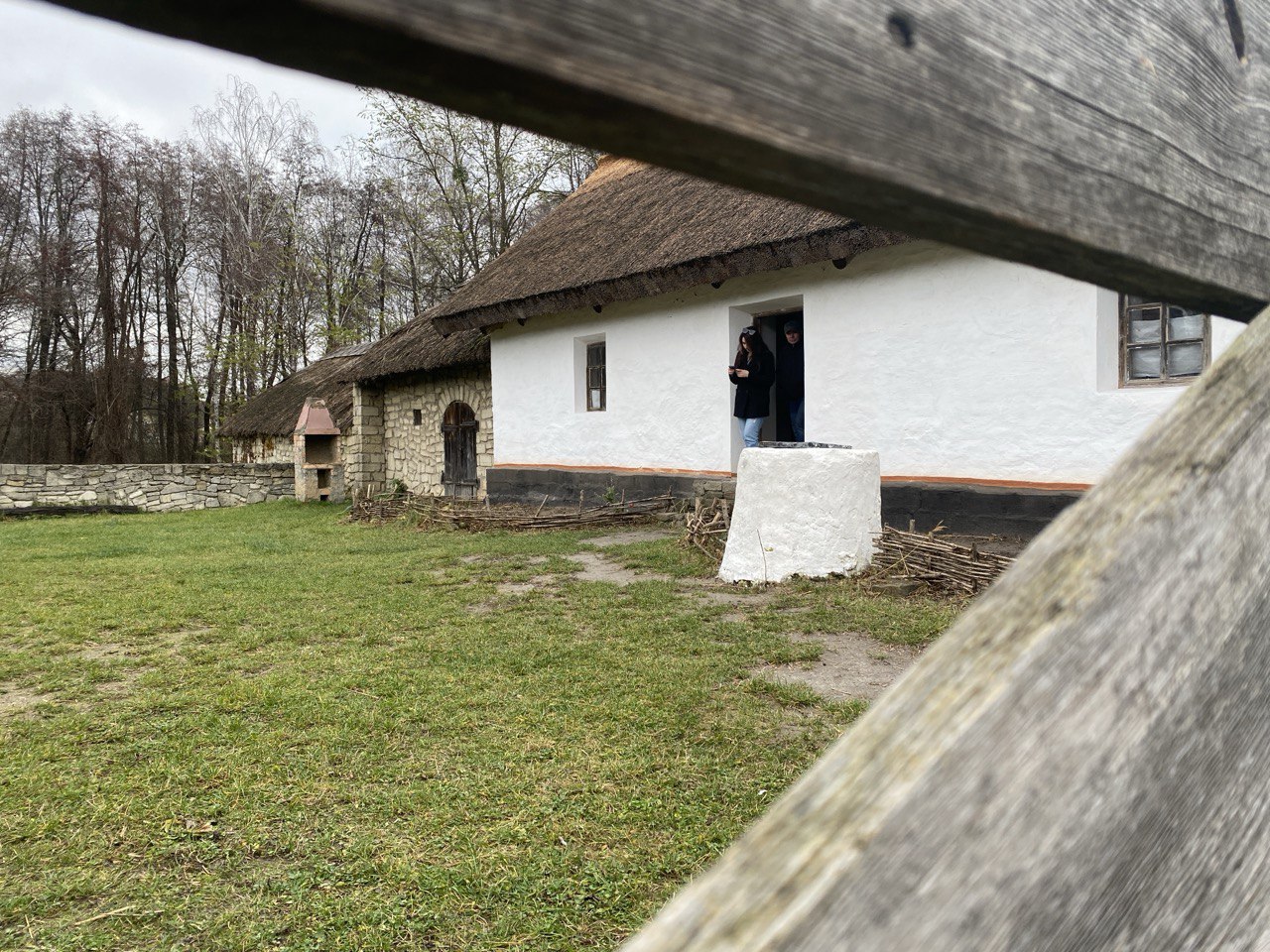
Locations
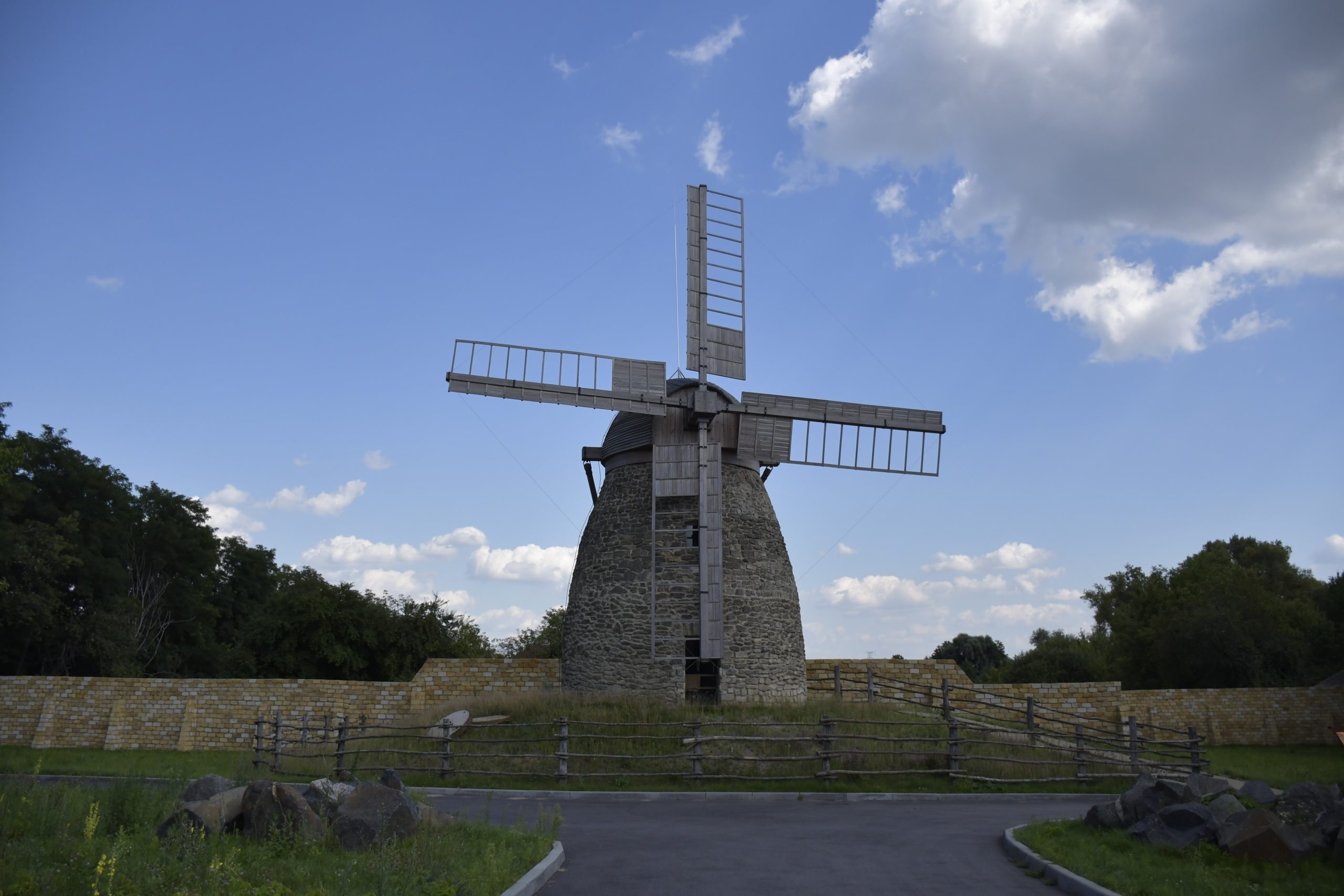
Windmill from the Village of Oleksandrivka
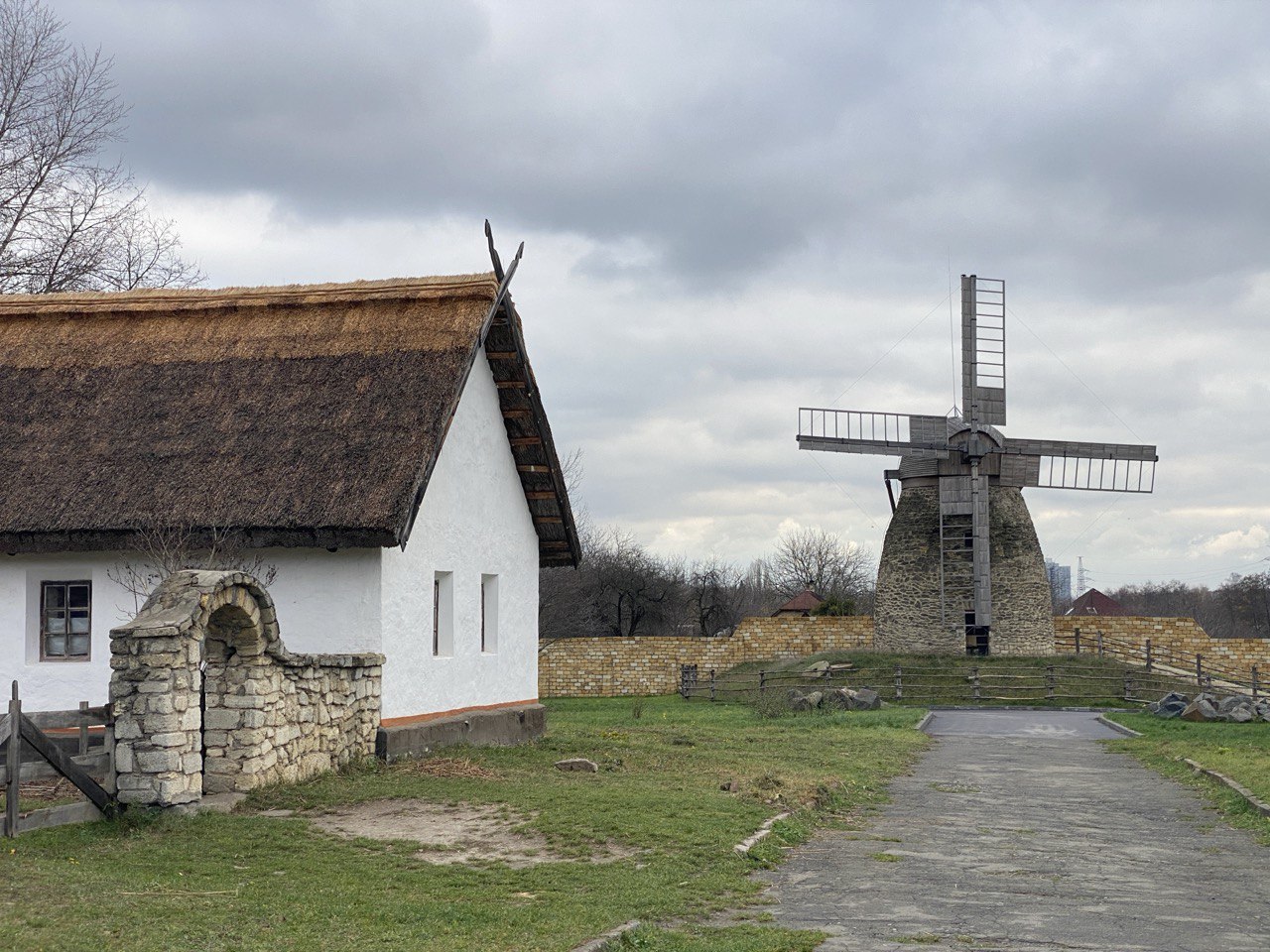
This windmill comes from the village of Oleksandrivka in the Bilozerka District of Kherson Oblast. The structure is a fine example of folk architecture of southern Ukraine and reflects the typology and regional features of traditional mechanized wind-powered milling constructions of Ukraine from the late 19th century.
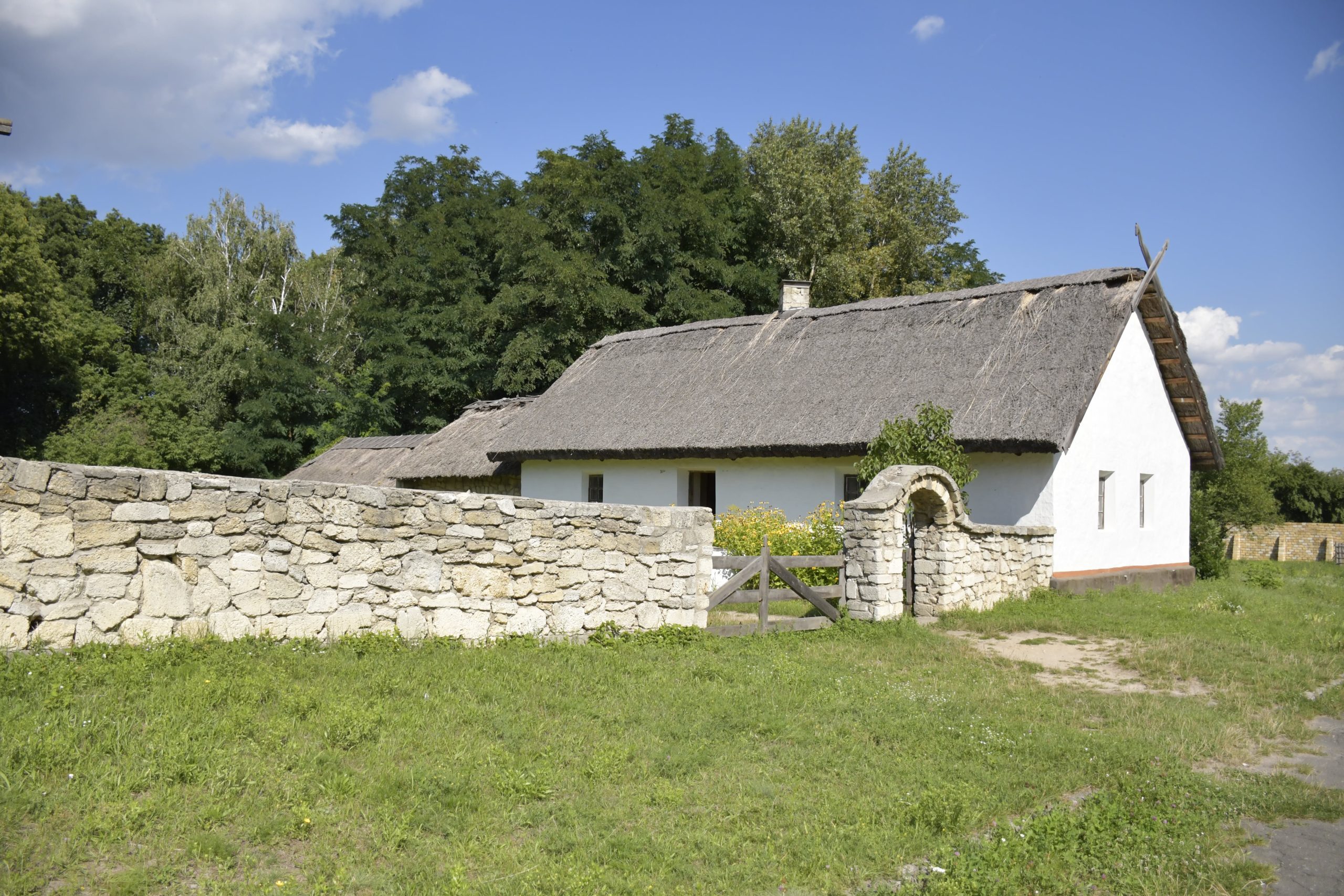
House from the Village of Mykhailivka
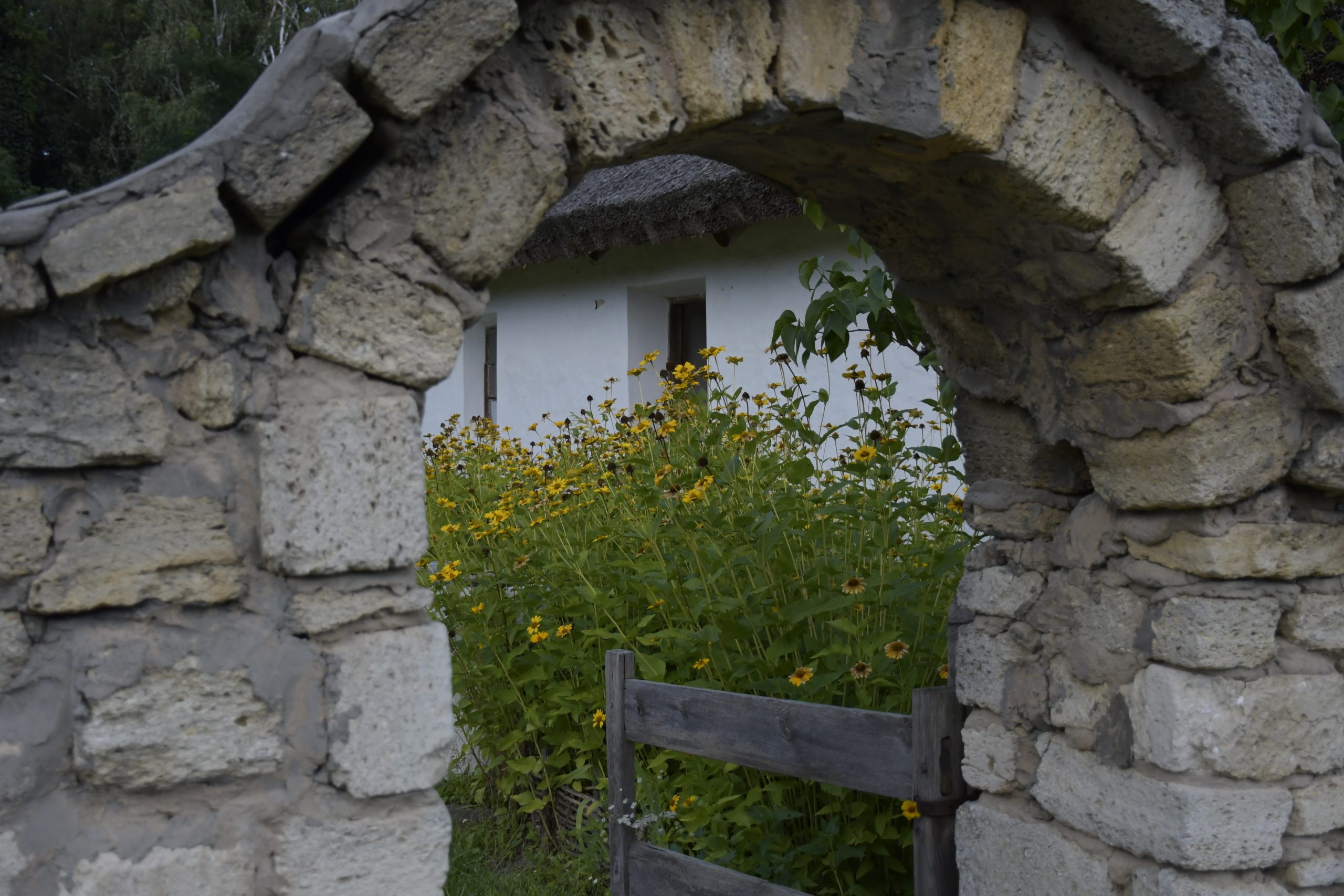
This early 20th-century house from the village of Mykhailivka in the Nova Odesa District of Mykolaiv Oblast represents the characteristic block-style village planning of southern Ukraine, where buildings were positioned with their gable ends facing the street. The dwelling is arranged in a single row together with a cowshed, stable, and utility buildings, while the pantry and kitchen are located separately. In the courtyard, a basyna — a reservoir for collecting rainwater — has been preserved, an essential feature in water-scarce southern areas. The house has a gabled reed roof, and its plastered walls are decorated with solar symbols and rosettes. The interior combines traditional rural elements with urban influences: painted benches, a carved pil, and a glass-fronted cupboard. Textiles with geometric ornaments carry symbolic meanings associated with the sun, fire, and fertility.